The Science of Color in Cannabis
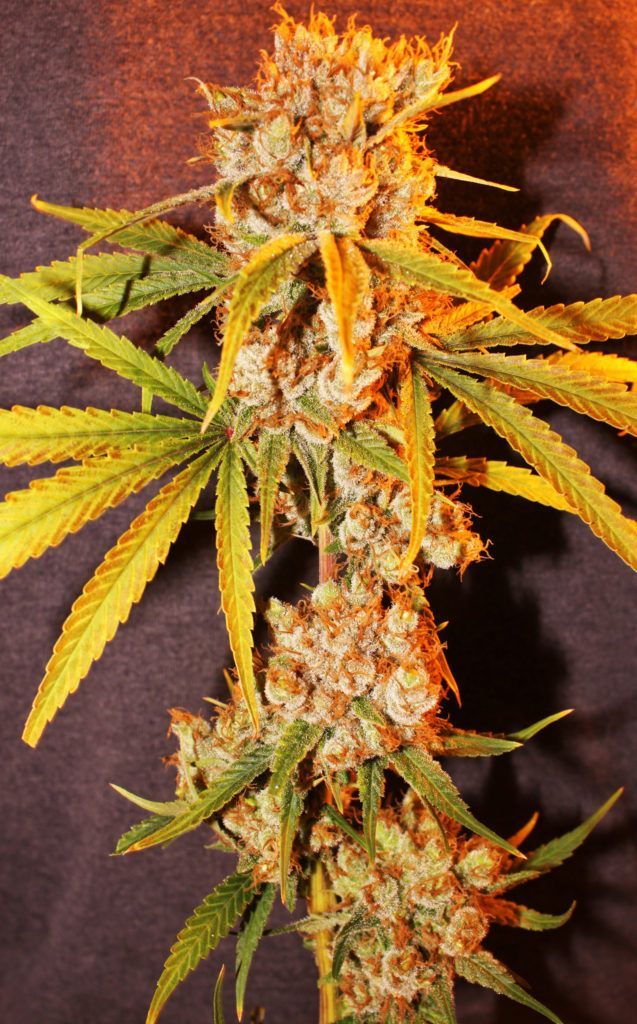
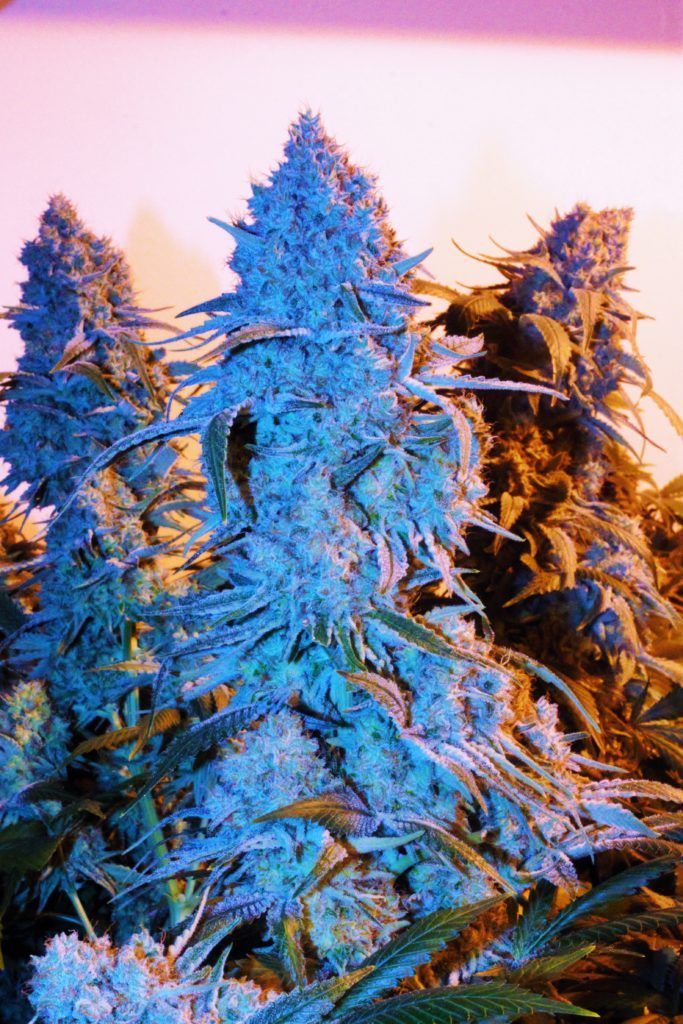
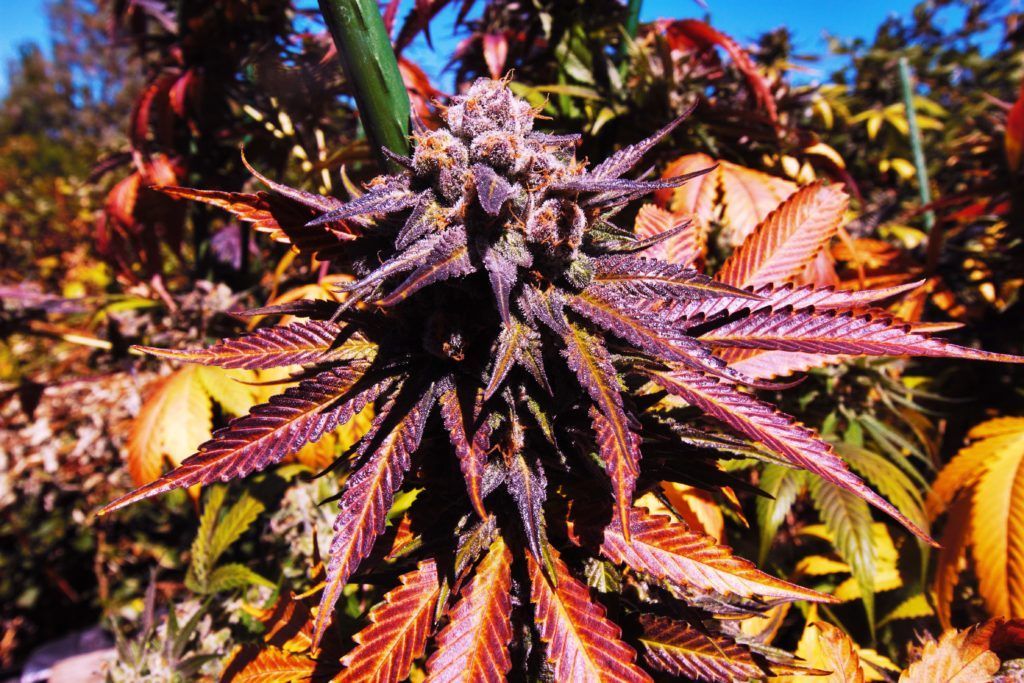
Colombian Red: This strain doesn't get its name just from famously inducing bloodshot eyes. While most red strains today are characterized by red pistils – like the Red Congo pictured here – Colombian Red really was dark red in color. Those who smoked this energetic strain were prone to fits of uncontrollable laughter, not unlike some of those over-the-top scenes from
Reefer Madness
. Colombian Red was one of the first strains to gain an international buzz and one of the earliest strains grown by Americans in the '70s. When Cheech and Chong first came out, this is the strain that had everybody buzzing.
Orange
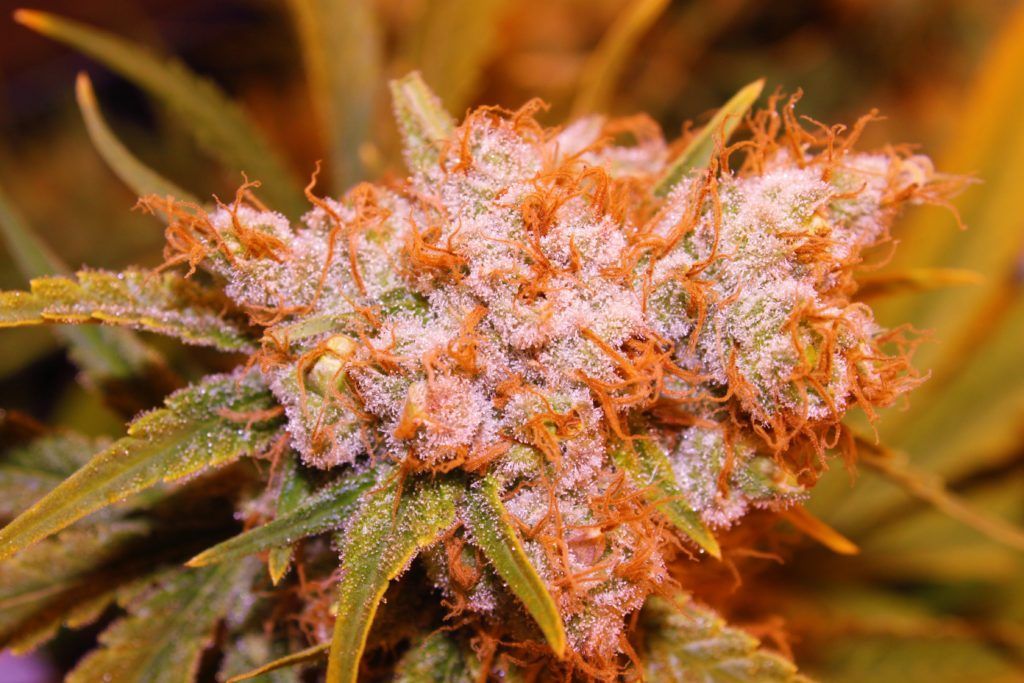
Orange Velvet: This California sativa paired up with Space Queen F2 to create multiple Cannabis Cup-winner, Jillybean. It plasters ear-to-ear smiles on the faces of its users, and it tastes just the way it smells – like licking orange Dreamsicles in the summer citrus sunshine.
Yellow
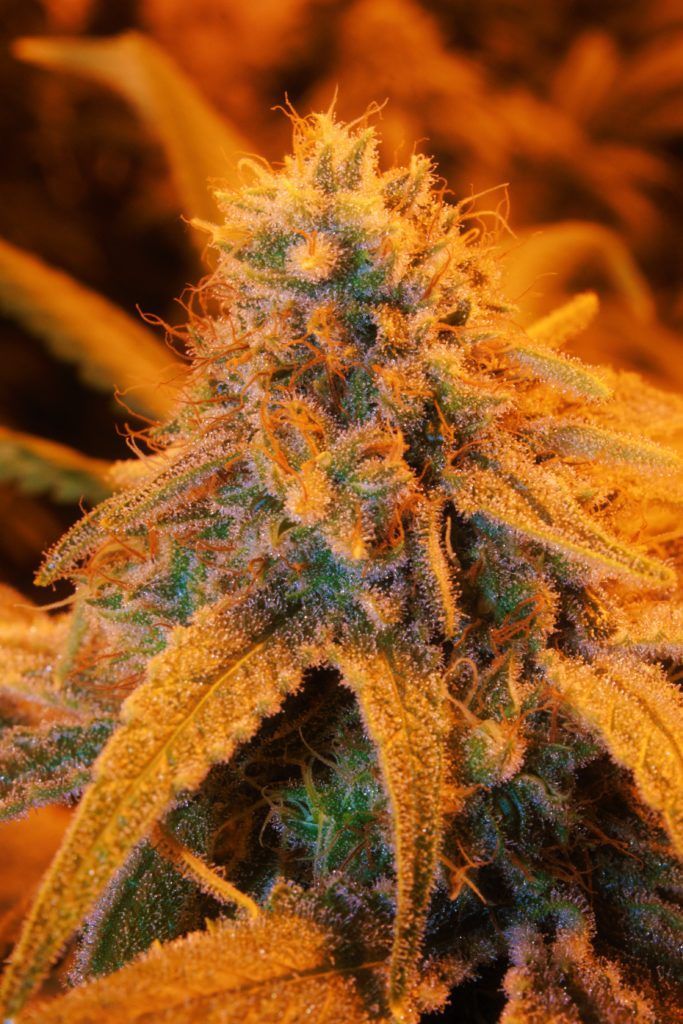
Gold Congo: Gold Congo is a stellar pairing of one of the world's most loved old-school sativas – Colombian Gold – with the Bay Area version of Red Congolese. Unlike the original African landrace sativa, the Bay's Red Congo blended Mexican and Afghan influences to create the melting-pot that eventually fathered Gold Congo.
With influences from four continents, it's not surprising that Gold Congo has such expansive psychoactive appeal. Just one toke and you'll be ready for the gym. Vape a little more and you could find yourself wrapped in cuddles. Hit it hard and you just may dock at the interdimensional space station of euphoria. And when you float back to Earth, the toasty feelings of ecstasy give way to an indulgently indica coziness that will remind you that all is well.
Green
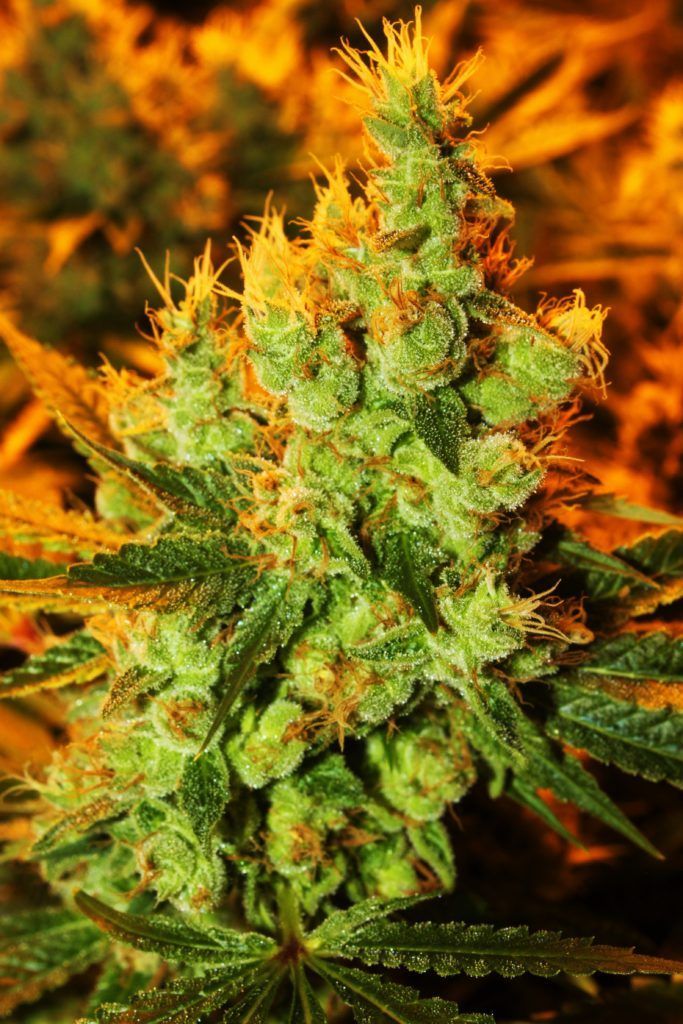
Green Crack: Depending on who you ask, Green Cush, otherwise known as Green Crack, is either an Ohio-bred back-crossing of Skunk #1, or a California strain combining Blue Dream and Space Queen. Originally called Dream Queen, this West Coast strain got the more controversial version of its name from Snoop Dogg, who famously said this sativa hit more like a particular illicit street substance than any weed.
Blue
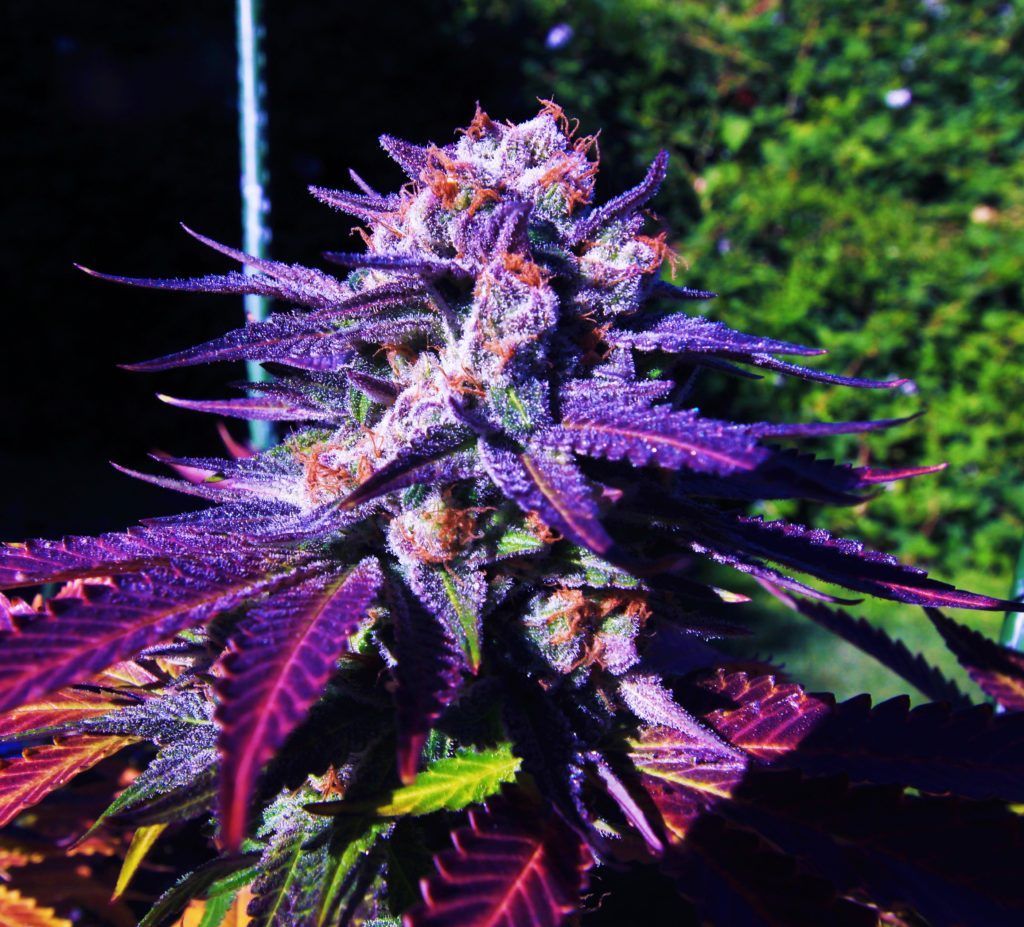
Blue Dream: All blue-hued cannabis is said to contain genetics from Dutch Passions Blueberry, the original blue strain developed in the 1970s. Its blue hues have since been passed down to other strains like DJ Short's Blueberry, which was combined with Super Silver Haze to create a legendary strain that has achieved near-epidemic proliferation on the West Coast and beyond: Blue Dream.
Hailing from Santa Cruz, its bluish-purple hue with frosty sparkles makes Blue Dream look like it got blasted to Earth from some intergalactic candy land. In spite of its high sativa content, Blue Dream can easily leave you completely incapacitated. Not in a bad way. It doesn't cause couch-lock as much as it simply demands your complete attention, like a jealous, but worthy, lover.
Indigo
Blue Dragon: an indica-dominant hybrid that boasts some of the most stunning shades of indigo found anywhere. A cross between Blueberry and Sour Diesel, this California strain packs a heavy punch. But as notable as it is for its one-hit wonder status, its color is even more remarkable. Its luxurious tones of rich, dark purply-blue are reminiscent of azurite, or the farthest reaches of the cosmos, complete with trichomes that are sparkling stars.
Violet
Purple Diesel: If you had synesthesia, this is what purple would taste like – deep and fruity, floral and sweet, with a tart finish. This California sativa-leaning hybrid produces a clear-headed cerebral high that can snap you back into focus and reacquaint you with what’s important. As one chronnoisseur put it, “Purple Diesel made me groovy again.” If the West Coast has spoiled you to the point that purple weed is just too blasé, don't panic – Purple Diesel can be pink, too. Finally, a strain even Hello Kitty can enjoy! It's also great as a muscle relaxant, so if grandma's complaining about arthritis or joint pain, be a dear and pack her a bowl, won't you?
ADDITIONAL RECENT POSTS

By Megan Pursynski
•
February 27, 2026
In a world that rarely slows down, many of us are craving something simple: a chance to exhale. Between constant notifications, packed schedules, and the hum of everyday stress, true relaxation can feel out of reach. That’s why more people are turning to cannabis, not just to “check out,” but to tune in to a calmer, more grounded state of mind. When used intentionally, cannabis has become a trusted companion for mindful unwinding. Whether it’s easing into the evening after work, setting the mood for a restorative night in, or simply creating space to decompress, the plant offers a spectrum of relaxation experiences tailored to individual needs. Interest has especially grown around: Cannabis gummies for relaxation : discreet, precisely dosed options that make winding down simple and predictable Calming strains known for body-soothing, stress-melting effects Terpene-focused products that emphasize aromatic compounds linked to tranquility and mood balance

By Megan Pursynski
•
February 15, 2026
You’ve just wrapped a beautiful day hiking Annadel or sipping Pinot in Sonoma or wandering the farmers’ market, only to have your mind still spinning like fog rolling through the valley. We all know that feeling! That’s where cannabis for meditation steps in, not as some magic fix, but as a thoughtful tool to help you drop deeper into the present. We’re not saying cannabis replaces your meditation cushion (mindfulness is the real boss), but when used thoughtfully, it can be that gentle nudge toward quieter thoughts and bigger awareness. Think of it like adding a dash of local honey to your tea: subtle, natural, and oh-so-Sonoma. Curious how a subtle dose can quiet the noise and amplify the peace? Let’s explore it.