Evolution of Sinsemilla: The Origins of Modern Cannabis

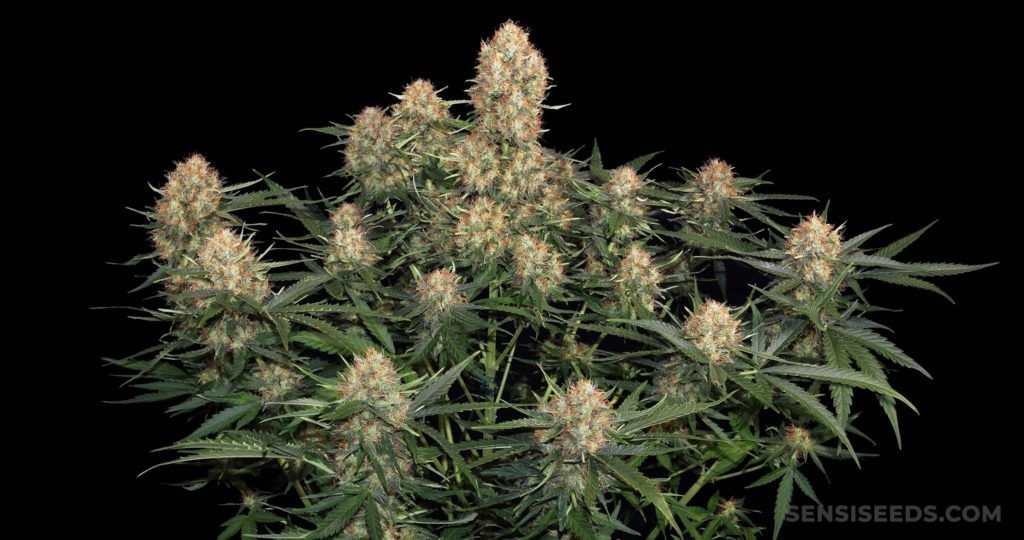
A cannabis plant with dense, light-colored buds and green leaves against a black background.

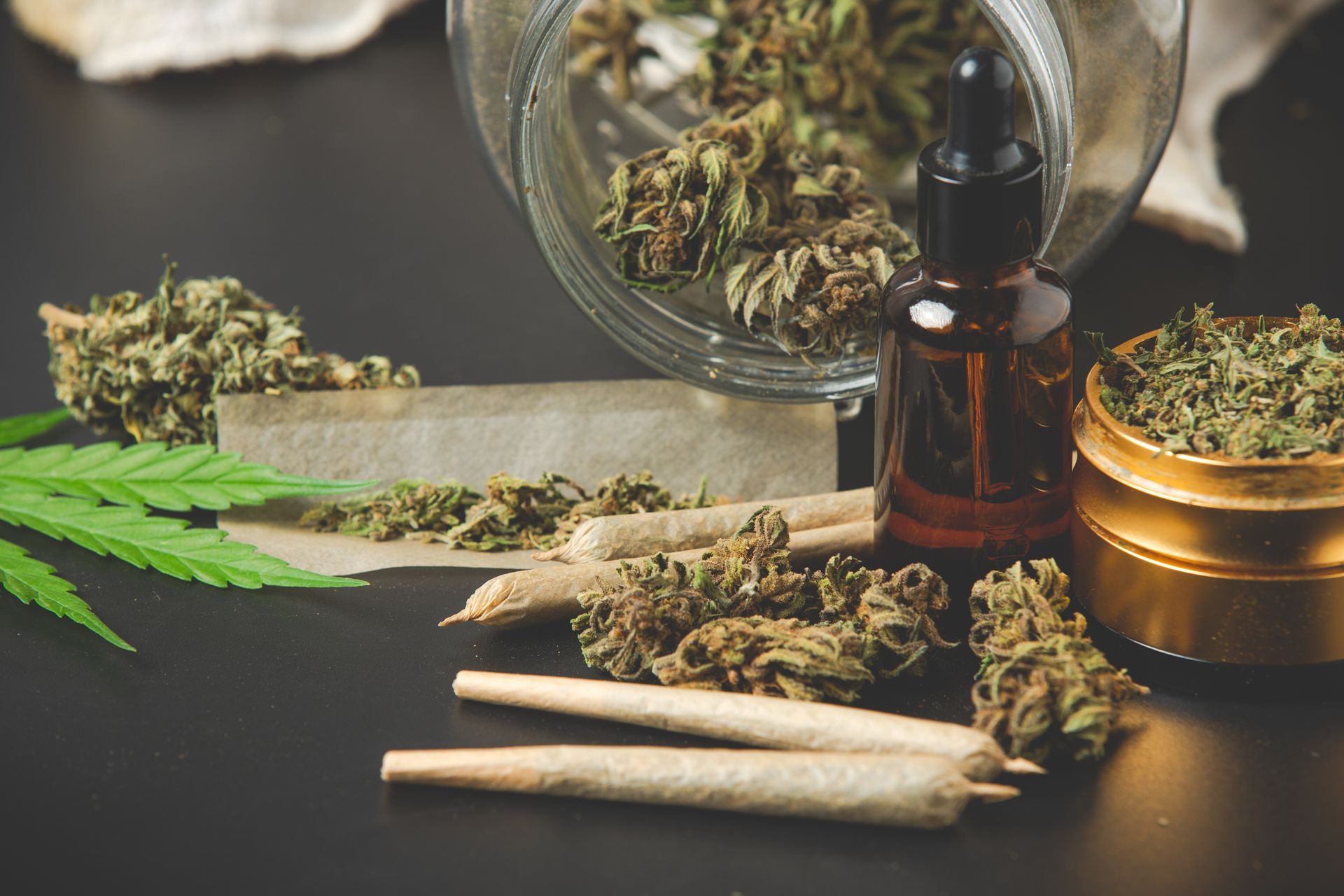
If you were born any time after 1990, then you may not know that cannabis used to be a stemmy, seedy mess. It often looked like someone had mowed their lawn and stuffed the clippings in a bag. Seeds outweighed actual flower, and much of it was a dreary brown color. Cannabis everywhere used to be like this — until sinsemilla changed everything.


What is Sinsemilla?

“Sinsemilla” means without seed. It’s the seedless cannabis we know today, created by isolating female plants from males. Without pollination, the female plants produce dense resin glands in a futile attempt to attract pollen. For us, that resin means high THC and the frosty buds that revolutionized the cannabis experience.


Origins

No one knows exactly where the practice began. Most believe it started in Southeast Asia, where cannabis has been used for millennia. The same concept has long been used in brewing hops for beer. But the modern sinsemilla we recognize today seems to trace back to the highlands of southern Mexico.


Genetic Innovation

By the 1970s and ’80s, breeders in the U.S. and Holland began crossbreeding landrace varieties with sinsemilla techniques, creating legendary strains like Skunk No. 1, Haze, and Northern Lights. These became the backbone of the global cannabis gene pool.

  • Original Haze came from Central California, later taken to Holland in the 1980s, blending Colombian, South Indian, and Thai genetics.
  • Northern Lights, from the Pacific Northwest, incorporated Skunk and Haze and spread widely by 1980.


Even today, nearly half of Dutch seed company strains contain Skunk No. 1 genetics


Lasting Impact

Sinsemilla didn’t just improve potency — it redefined cannabis culture. The practice paved the way for today’s legal market, where potency, terpene profiles, and breeding innovation continue at an exponential pace.

And that, in a nutshell, is the evolution of sinsemilla.

ADDITIONAL RECENT POSTS

By Megan Pursynski February 27, 2026
In a world that rarely slows down, many of us are craving something simple: a chance to exhale. Between constant notifications, packed schedules, and the hum of everyday stress, true relaxation can feel out of reach. That’s why more people are turning to cannabis, not just to “check out,” but to tune in to a calmer, more grounded state of mind. When used intentionally, cannabis has become a trusted companion for mindful unwinding. Whether it’s easing into the evening after work, setting the mood for a restorative night in, or simply creating space to decompress, the plant offers a spectrum of relaxation experiences tailored to individual needs.  Interest has especially grown around: Cannabis gummies for relaxation : discreet, precisely dosed options that make winding down simple and predictable Calming strains known for body-soothing, stress-melting effects Terpene-focused products that emphasize aromatic compounds linked to tranquility and mood balance
Cannabis and Meditation: A Santa Rosa Guide to Small Doses for Mindfulness
By Megan Pursynski February 15, 2026
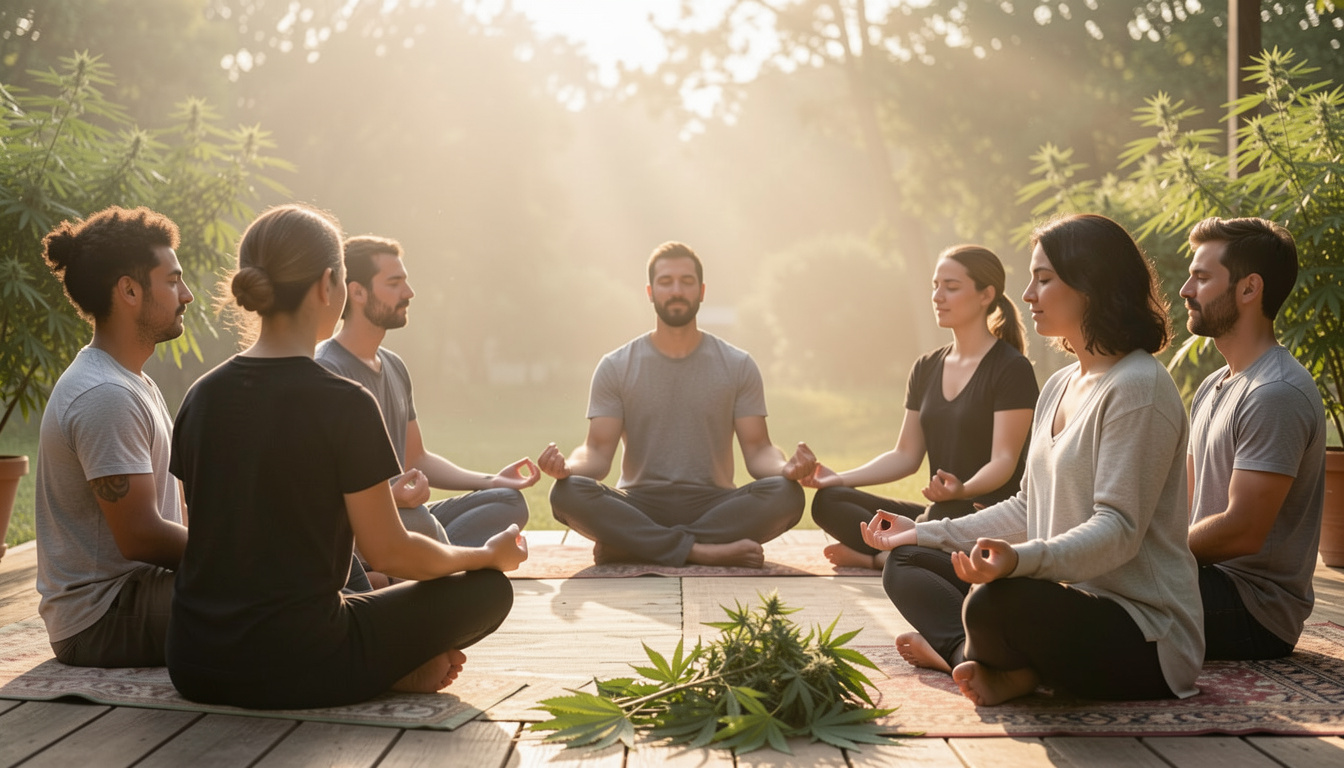
You’ve just wrapped a beautiful day hiking Annadel or sipping Pinot in Sonoma or wandering the farmers’ market, only to have your mind still spinning like fog rolling through the valley. We all know that feeling! That’s where cannabis for meditation steps in, not as some magic fix, but as a thoughtful tool to help you drop deeper into the present.  We’re not saying cannabis replaces your meditation cushion (mindfulness is the real boss), but when used thoughtfully, it can be that gentle nudge toward quieter thoughts and bigger awareness. Think of it like adding a dash of local honey to your tea: subtle, natural, and oh-so-Sonoma. Curious how a subtle dose can quiet the noise and amplify the peace? Let’s explore it.
Terpene-Rich Extracts vs Standard Extracts
By Megan Pursynski January 28, 2026
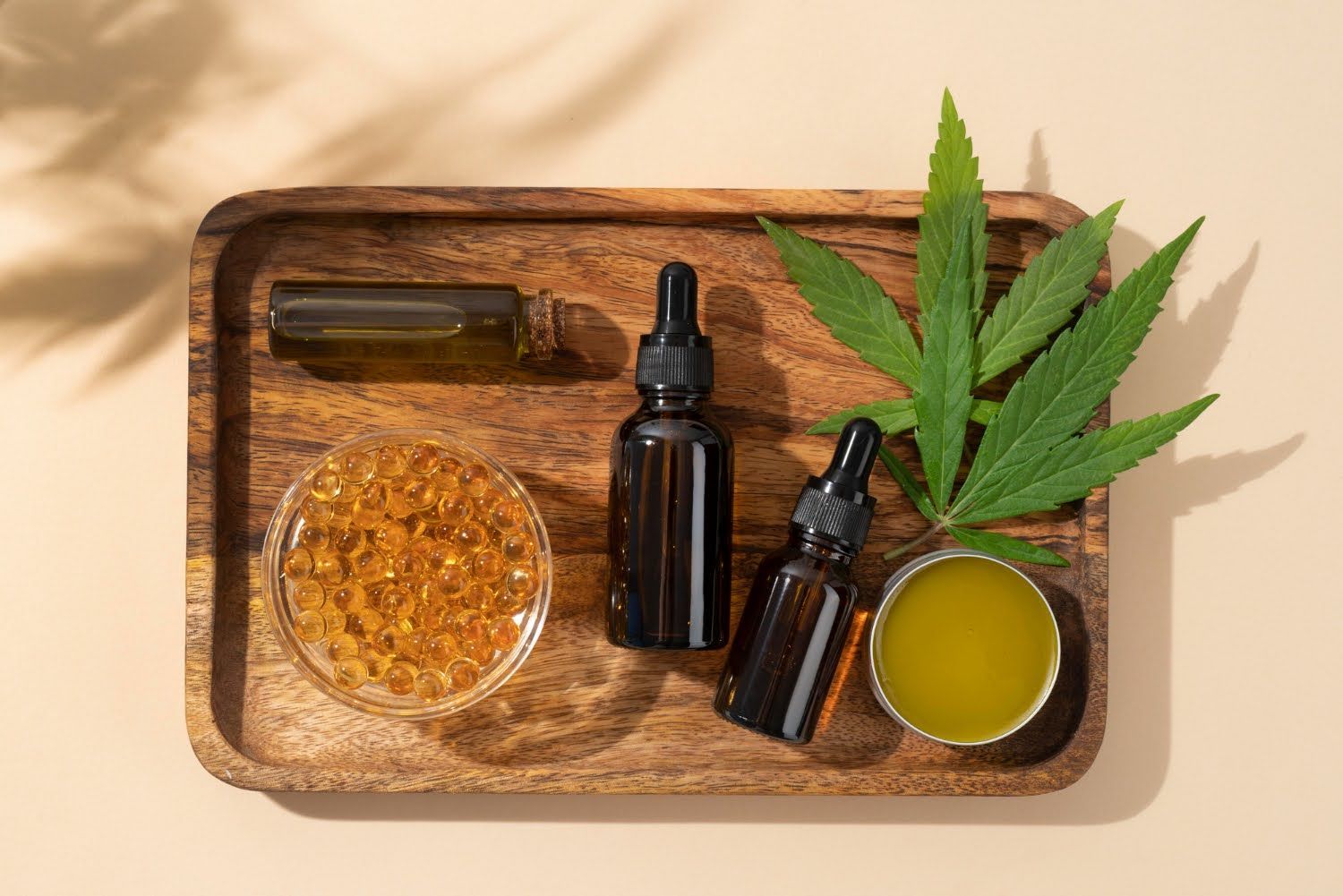
The Quest for the Ultimate Cannabis Experience